Hand Lettered Main Character Art Review
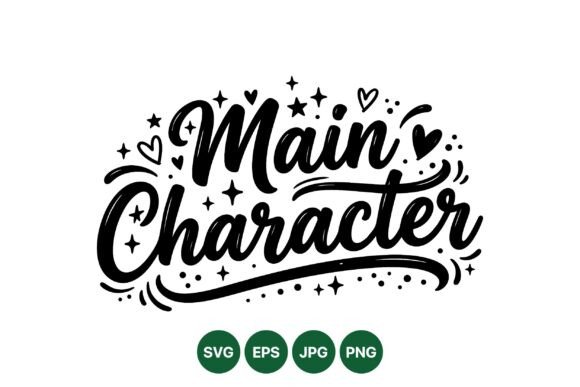
As a designer who has spent years navigating the intersection of digital graphics and physical stitching, I approach every new machine embroidery design with a critical eye. The gap between a beautiful screen image and a successful stitched product is often where projects fail. Today, I am evaluating Hand Lettered Main Character Art, a piece categorized under Illustrations and Graphics that promises elegant calligraphy surrounded by decorative stars, hearts, and dots. Before you download this ZIP folder or list it in your shop, let's break down how this specific design translates from a black-on-white digital file to a tangible, high-quality finished product.
First Impressions: Mood and Visual Weight
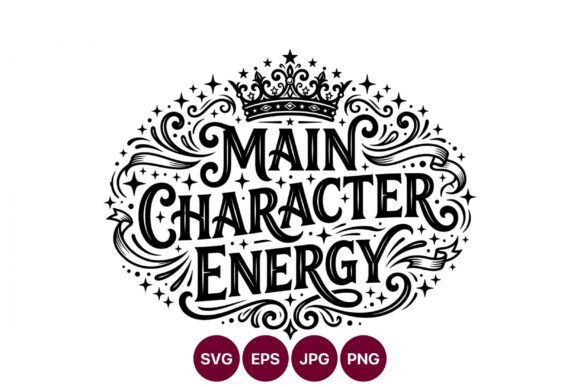
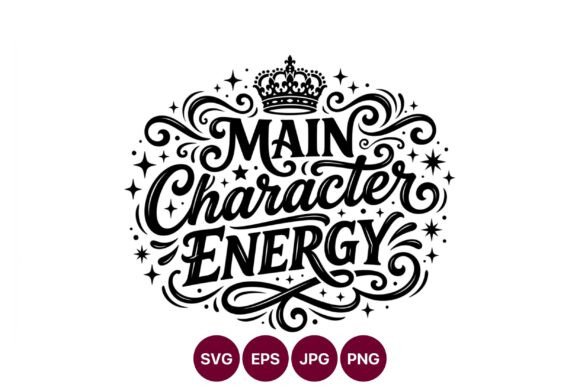
When I first opened the preview for Hand Lettered Main Character Art, the immediate reaction was one of refined nostalgia. The hand lettering style suggests a personal touch, reminiscent of vintage labels or bespoke stationery. For an Etsy seller or small business owner looking to elevate their brand, this aesthetic is powerful. It moves away from the generic, blocky fonts often seen in mass-produced custom apparel and leans into something more artisanal.
The surrounding elements—stars, hearts, and dots—add a whimsical layer without overwhelming the text. However, in the world of embroidery, "whimsical" can sometimes mean "too dense." The visual weight here feels balanced on a screen, but we must ask: will the fill stitch hold up when converted to thread? The contrast of the black design on a white background in the preview is stark, which is excellent for clarity, but we need to consider how this translates to various fabric textures. This design screams "personalized gift" or boutique branding, offering a level of sophistication that standard clip art simply cannot match.
Real-World Application: From Digital File to Tote Bag
To truly understand the value of Hand Lettered Main Character Art, imagine a specific scenario. You are preparing a line of custom embroidered tote bags for a local craft fair. These aren't just bags; they are statement pieces for a niche audience. You decide to use this design on a natural canvas tote. The elegance of the calligraphy pairs beautifully with the organic texture of the cotton canvas. As you load the embroidery file into your machine, you notice the flow of the lines. The satin stitch required for the lettering edges needs to be precise to maintain the "hand-lettered" illusion.
In this context, the design excels. The decorative stars and dots act as perfect anchors, drawing the eye around the central text. If you were selling these as a small shop product, the visual appeal would likely drive customer engagement. Buyers looking for a personalized gift often seek designs that feel unique and crafted rather than stamped out. This Graphics asset provides exactly that. It transforms a simple tote bag into a piece of wearable art, increasing the perceived value of the item significantly.
Consider another use case: a baby embroidery project, perhaps a personalized pillow cover for a nursery. The softness of the hearts and the gentle curve of the lettering make it suitable for children's items. However, because the design includes fine details like tiny dots, you must ensure the stitch density isn't too heavy for delicate fabrics like flannel or jersey knit. If the density is too high, the fabric might pucker, ruining the professional look of the finished product.
Navigating Challenges: Fabric and Hoop Constraints
While Hand Lettered Main Character Art is visually stunning, it is not without its challenges in real-world application. One area requiring careful attention is the size of the hoop. Calligraphy often relies on fine lines and sharp serifs. If you attempt to shrink this design to fit a small 4x4 inch hoop for a cap or a pocket patch, those delicate details may become indistinguishable blobs of thread. Always check the recommended hoop size before committing to a project.
Fabric choice is equally critical. On textured fabrics like denim or thick sweatshirt fleece, the intricate dots and stars might get lost in the weave. For a sweatshirt embroidery project, you would want to place this design on a smoother section, perhaps using a tear-away stabilizer to ensure the stitches sit flat and crisp. Conversely, on very thin or stretchy fabrics, the density of the fill stitches could cause warping. A water-soluble stabilizer might be necessary to support the design during stitching without leaving residue on the final garment.
Furthermore, color selection matters. The preview shows black on white, which offers maximum contrast. If you plan to use this on dark fabric, such as a navy blue apron or a charcoal hoodie, you will need to adjust the thread colors. A white outline or a light-colored fill might be necessary to make the calligraphy pop. Without proper contrast, the elegance of the Hand Lettered Main Character Art will be lost, and the design will appear muddy or unfinished.
Practical Designer Notes for Commercial Success
If you are a craft business owner or a serious hobbyist planning to sell items featuring this design, there are several practical steps you must take to ensure professionalism and avoid legal issues. First, always test the design on scrap fabric that matches your intended material. This allows you to see how the running stitch and fill patterns behave under tension and to adjust settings if needed.
Second, review the licensing terms included in the download. While the description mentions it is for creative projects, commercial use often requires a specific license. Ensure you have the right to sell custom apparel or embroidered patches made with this file. Selling items without the proper rights can jeopardize your entire business.
Third, create printable mockups before producing inventory. Use digital tools to visualize how the design looks on different products, such as a kitchen towel, a holiday gift tag, or a wedding gift apron. This helps you gauge customer interest and ensures the design scales correctly across various applications.
Finally, consider the longevity of the product. Designs with many small, disconnected elements like dots and stars can sometimes snag or fray over time, especially on items that require frequent washing. Inspect the digitization closely to ensure the stitches are secure. If the design is intended for a commercial embroidery project involving high-volume production, durability is key to maintaining your reputation for quality.
Final Verdict: A Versatile Asset for the Discerning Maker
Hand Lettered Main Character Art is a strong contender for designers seeking to add a touch of class and personality to their work. Its blend of elegant calligraphy and playful decorative elements makes it versatile enough for everything from baby clothes to boutique branding. However, its success relies heavily on the maker's ability to adapt it to the right materials and scale. By respecting the limitations of machine embroidery and testing thoroughly, you can turn this digital asset into a standout feature of your portfolio. Whether you are creating a one-off personalized gift or launching a new line of digital product sellers merchandise, this design offers the potential for high impact—if handled with care and expertise.